
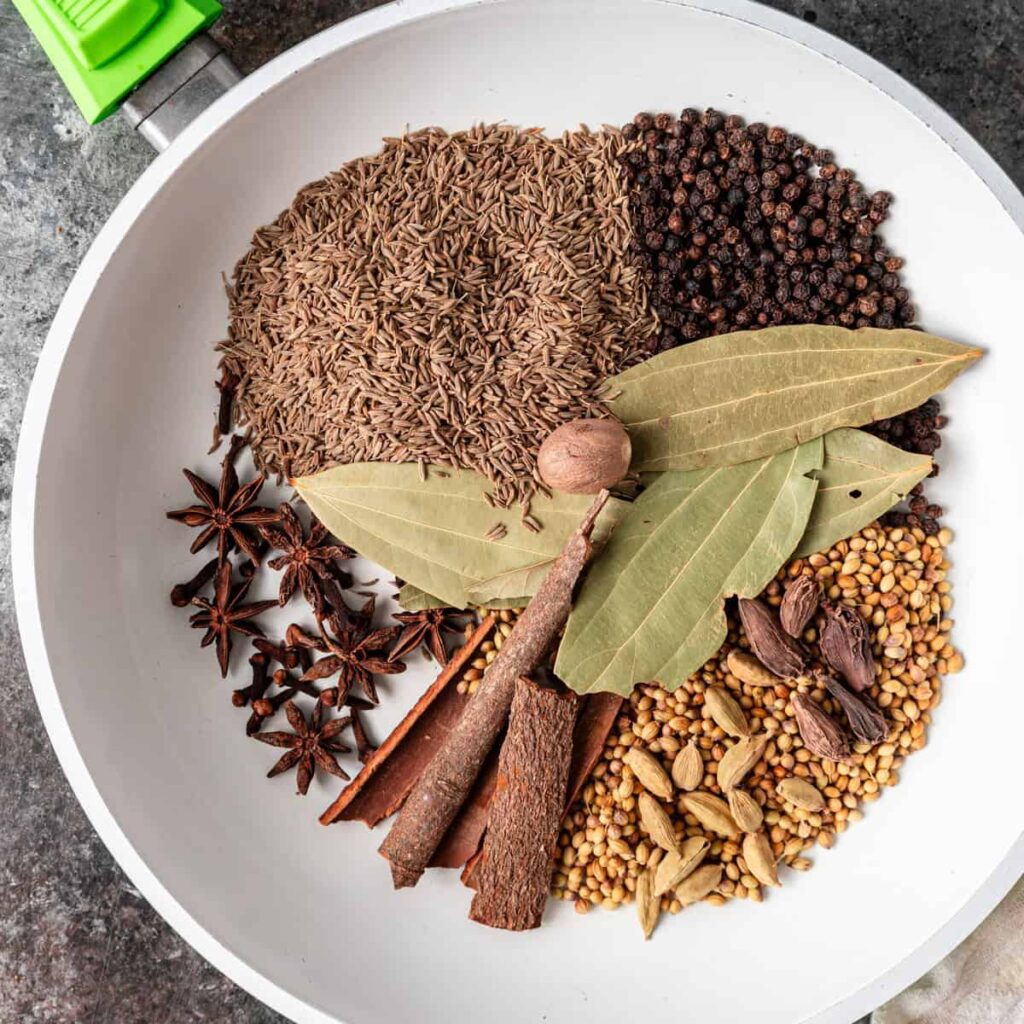
Spices do much more than add flavour, aroma, and colour to our food. For centuries, spices have been valued in traditional food cultures for their natural compounds and potential wellness benefits. From the warmth of black pepper to the refreshing aroma of cardamom, common spices can be a wonderful part of a balanced diet.
At DEAR ROOTS, we believe that good food begins with quality ingredients. Here are some common Indian spices and the potential health benefits associated with them.
1. Black Pepper – The King of Spices
Black pepper is one of the most widely used spices in Indian kitchens. It contains piperine, a natural compound responsible for its characteristic pungency.
Potential benefits:
- Contains antioxidant compounds.
- May support normal digestion.
- Adds flavour without the need for excessive salt.
- Piperine has been studied for its interaction with the absorption of certain nutrients and compounds.
Freshly ground black pepper can add a rich, warm flavour to soups, curries, marinades, and everyday meals.
2. Cardamom – The Queen of Spices
Cardamom is known for its distinctive sweet and refreshing aroma. It is commonly used in tea, desserts, rice dishes, and traditional preparations.
Potential benefits:
- Contains antioxidant compounds.
- May support healthy digestion.
- Traditionally used as a breath-freshening spice.
- Provides natural aromatic compounds.
A small amount of cardamom can bring a beautiful fragrance and flavour to both sweet and savoury dishes.
3. Cinnamon – A Naturally Aromatic Spice
Cinnamon is made from the inner bark of cinnamon trees and is valued for its warm, sweet flavour.
Potential benefits:
- Rich in naturally occurring antioxidant compounds.
- May support the body’s natural antioxidant defenses.
- Traditionally used as part of digestive preparations.
- Adds sweetness and warmth to foods without adding sugar.
Cinnamon works beautifully in tea, oatmeal, desserts, curries, and spice blends.
4. Clove – Small Spice, Strong Flavour
Cloves are dried flower buds with a strong, distinctive aroma. They contain eugenol, a naturally occurring compound that has antioxidant properties.
Potential benefits:
- Contains antioxidant compounds.
- Traditionally used to support digestion.
- Its aromatic oils contribute to its distinctive flavour.
- Commonly used in traditional food and wellness practices.
Cloves can be used in biryani, curries, tea, baked foods, and spice blends.
5. Nutmeg – A Warm and Fragrant Spice
Nutmeg is the seed of the fruit of the nutmeg tree. It has a warm, slightly sweet and nutty flavour.
Potential benefits:
- Contains antioxidant compounds.
- Traditionally used in small quantities in food preparations.
- Its aromatic compounds contribute to its characteristic fragrance.
Nutmeg is commonly added to desserts, beverages, sauces, and selected savoury dishes.
Important: Nutmeg should be used in normal culinary quantities. Large amounts are not considered safe.
6. Mace – The Delicate Spice Around the Nutmeg
Mace is the reddish-orange outer covering surrounding the nutmeg seed. It has a delicate, warm and slightly sweet aroma.
Potential benefits:
- Contains naturally occurring antioxidant compounds.
- Traditionally used in culinary preparations.
- Adds flavour and aroma to food without requiring large quantities.
Mace is commonly used in biryani, curries, spice blends, and some traditional desserts.
7. Turmeric – Golden Spice of Indian Cooking
Turmeric is one of the most recognisable spices in Indian cuisine. Its bright yellow colour comes largely from compounds called curcuminoids, including curcumin.
Potential benefits:
- Contains antioxidant compounds.
- Curcumin has been widely studied for its biological properties.
- Traditionally used in many Indian food and wellness practices.
- Adds natural colour and earthy flavour to meals.
Turmeric can be used in curries, rice dishes, soups, vegetables, and warm beverages.
How to Include Spices in Your Everyday Diet
You don’t need large quantities of spices to enjoy their flavour. Try incorporating them naturally into your meals:
- Add freshly ground black pepper to soups and salads.
- Use cardamom in tea or homemade desserts.
- Add cinnamon to oatmeal or warm beverages.
- Include cloves in curries and rice dishes.
- Use turmeric when preparing vegetables, lentils, and curries.
- Add a small amount of nutmeg or mace to suitable recipes.
Spices Are Part of a Balanced Lifestyle
Spices can provide beneficial plant compounds while making everyday meals more flavourful. However, they should not be considered a replacement for medical treatment, prescribed medicines, a balanced diet, exercise, or professional healthcare advice.
The best way to enjoy spices is to use them regularly in appropriate culinary quantities as part of a varied and balanced diet.
Bring Natural Flavour to Your Kitchen with DEAR ROOTS
From the pepper-growing regions of Kerala to kitchens across India, quality spices can make everyday cooking more enjoyable.
At DEAR ROOTS, our focus is on carefully sourced whole spices that bring authentic aroma, flavour, and freshness to your kitchen.
Explore the world of Indian spices and discover simple ways to make every meal more flavourful.
DEAR ROOTS – Pure Spices, Rooted in Tradition.dearroots.in