
Cinnamon – A Spice for Better Health
Warm, fragrant, and naturally sweet, cinnamon is one of the world’s most familiar spices. From traditional Kerala kitchens to modern recipes around the world, cinnamon is valued for its distinctive aroma and flavour.
But cinnamon is more than just a flavouring. It has a long history of use in traditional food cultures and contains naturally occurring plant compounds that have made it an interesting subject of nutritional research.
At DEAR ROOTS, we believe that every spice has a story — from the tree it comes from to the food it helps create.
Where Does Cinnamon Come From?
Cinnamon comes from the inner bark of trees belonging to the Cinnamomum genus.
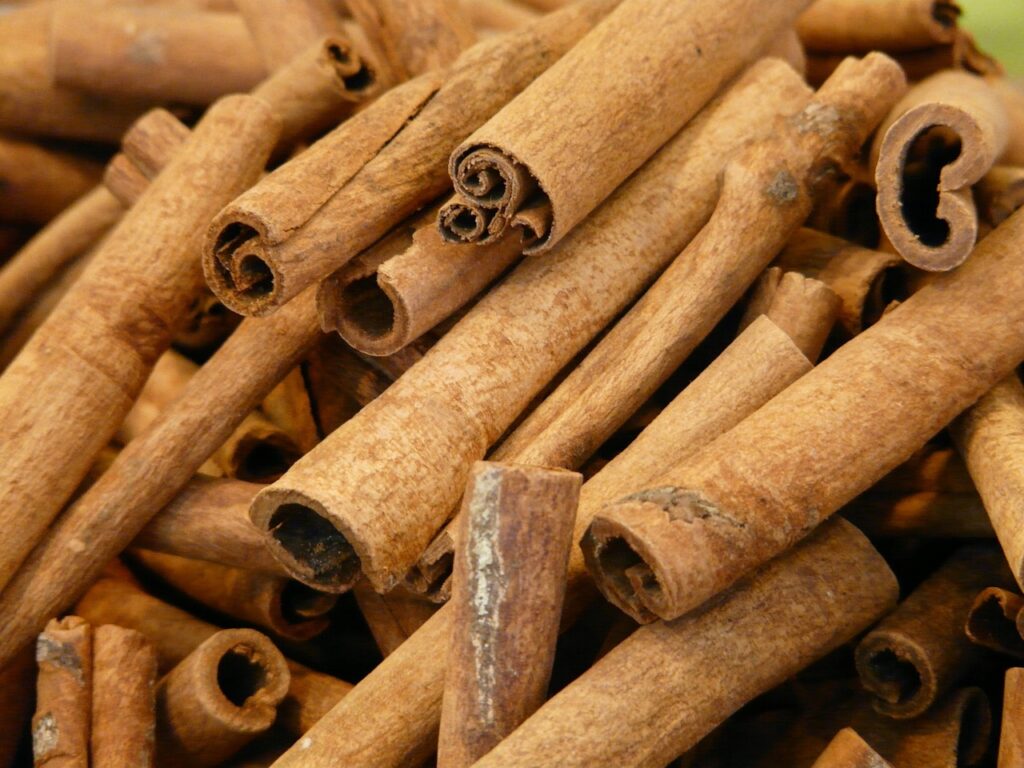
The bark is carefully harvested, processed, and dried. As it dries, the bark naturally curls into the familiar cinnamon sticks or quills.
Cinnamon is cultivated in several parts of the world, including regions of India. Kerala has a long association with spice cultivation and trade, making cinnamon part of the wider spice heritage of the state.
From Tree Bark to Cinnamon Stick
The journey of cinnamon begins with the careful cultivation of the cinnamon tree.
Once suitable branches are selected, the outer bark is removed and the inner bark is carefully separated. The bark is then dried, during which it curls into rolls.
The basic journey can be described as:
Cultivation → Harvesting → Bark Processing → Drying → Sorting → Packing → Your Kitchen
Each stage requires care to maintain the spice’s natural aroma and quality.
What Gives Cinnamon Its Distinctive Aroma?
One of the best-known naturally occurring compounds in cinnamon is cinnamaldehyde.
This compound contributes significantly to cinnamon’s characteristic warm aroma and flavour.
Cinnamon also contains various other naturally occurring plant compounds, which are part of the reason researchers continue to study this traditional spice.
Cinnamon and Everyday Wellness
Cinnamon has been used in traditional food practices for generations. Today, it is also commonly included in discussions about balanced diets and natural plant-based foods.
Research has investigated cinnamon and its possible relationship with areas such as blood glucose regulation and antioxidant activity. However, the evidence varies depending on the type of cinnamon, amount consumed, and other factors.
Cinnamon should therefore be viewed as a flavourful part of a balanced diet, rather than as a treatment or replacement for medical care.
Cinnamon in Kerala Cuisine
Cinnamon adds a warm and mildly sweet aroma to many dishes.
It is commonly used in:
- Kerala-style biryani
- Vegetable and meat curries
- Rice dishes
- Masala tea
- Desserts
- Payasam
- Baked foods
- Spice blends
Whole cinnamon sticks are particularly useful when you want a gentle infusion of flavour.
You can add a small piece while cooking and remove it before serving.
Cinnamon Tea – A Simple Way to Enjoy the Spice
One simple way to enjoy cinnamon is by infusing a small piece of cinnamon stick in hot water.
You can also combine it with ingredients such as ginger or cardamom for a warm and aromatic drink.
The important thing is moderation. Cinnamon is a spice intended to complement a varied diet, not replace one.
Whole Cinnamon or Ground Cinnamon?
Both forms have their place in the kitchen.
Whole cinnamon sticks are useful for:
- Rice dishes
- Curries
- Tea
- Slow cooking
- Infusions
Ground cinnamon is convenient for:
- Baking
- Desserts
- Smoothies
- Spice blends
- Sprinkling over foods
For longer storage, whole cinnamon can retain its aroma well when kept in a cool, dry, airtight environment.
How to Store Cinnamon
Proper storage helps preserve cinnamon’s natural aroma.
Keep cinnamon:
- In an airtight container
- Away from direct sunlight
- Away from moisture
- Away from strong-smelling ingredients
- In a cool, dry place
Whole cinnamon sticks generally maintain their character for longer than ground cinnamon because less of the spice’s surface is exposed to air.
A Spice with a Long History
Cinnamon has been traded and valued for centuries. Its distinctive fragrance made it an important part of historic spice routes connecting producers and consumers across different regions.
Like many spices, cinnamon’s story is closely connected with agriculture, trade, culture, and cuisine.
Today, it remains a simple ingredient found in kitchens around the world.
From the Spice Tree to Your Kitchen
Every cinnamon stick begins as part of a living tree and passes through several careful stages before reaching your kitchen.
Behind that journey are farmers, workers, traditional knowledge, and the land where the spice is grown.
At DEAR ROOTS, we want to keep that connection visible.
Our goal is to celebrate the journey of spices — from their roots in the land to their place in everyday cooking.
Discover the Warmth of Cinnamon
Whether you’re preparing a traditional Kerala dish, brewing a warm drink, or adding fragrance to a dessert, cinnamon can bring a distinctive character to your cooking.
Explore the DEAR ROOTS collection and discover the flavours of Kerala’s spice heritage.
DEAR ROOTS — Pure Spices. Lasting Goodness.